
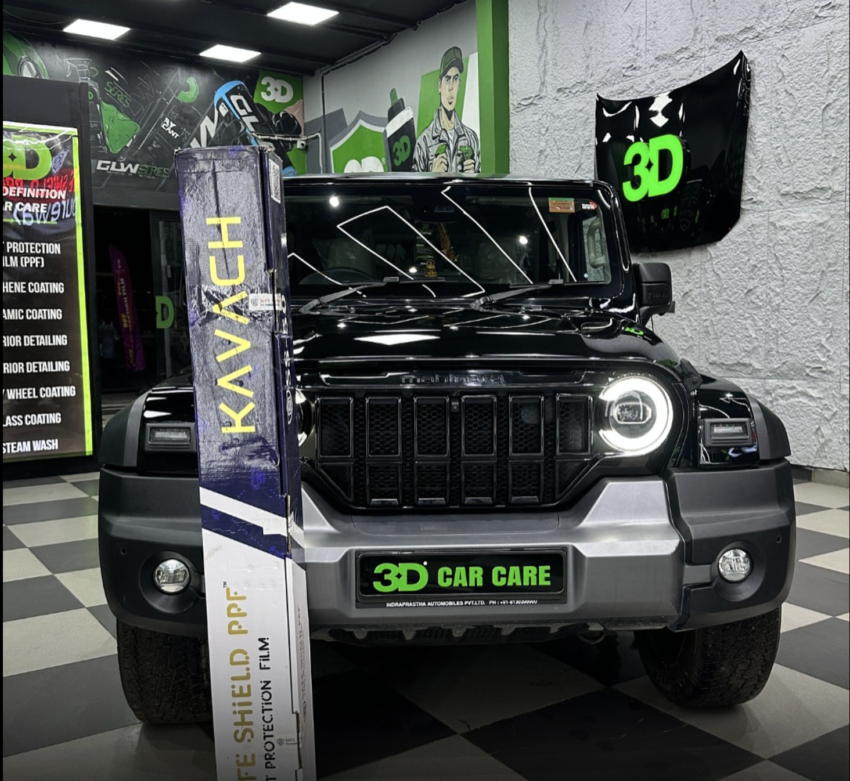
Winter may be kinder than Indian summers, but for your car and especially for your Paint Protection Film (PPF) it brings its own hidden challenges. Cold temperatures, morning dew, fog, pollution, and dirty winter roads can slowly impact the look and performance of your car’s exterior if not handled properly. Many car owners believe that once PPF is installed, maintenance is no longer required. In reality, winter is the season when PPF needs extra attention.
If you’ve invested in PPF from 3D Car Care India, you already understand the value of premium protection. Now the next step is maintaining it the right way. This blog breaks down the essential do’s and don’ts to help you keep your car looking glossy, protected, and showroom-fresh throughout winter.
Why Winter Care Matters for PPF
Paint Protection Film is designed to act as a shield against stone chips, scratches, UV rays, and environmental damage. While it’s extremely durable, winter conditions can test its limits. Cold temperatures can temporarily reduce the flexibility of the film, moisture can settle along the edges, and road grime can dull its shine if left unattended.
In regions like North India, fog, frost, and pollution mix with road dust to create a sticky layer on your car’s surface. In other parts of the country, dew and humidity can sit on the film for hours overnight. Over time, these factors can affect the clarity, adhesion, and hydrophobic properties of PPF. Proper winter maintenance ensures your PPF continues to perform exactly the way it’s meant to.
Do’s of Maintaining Your Car with PPF in Winter

1. Wash Your Car Regularly (But Gently)
Winter roads often carry more dirt, mud, and chemical residue than you realize. Letting grime sit on your PPF for too long can reduce gloss and trap contaminants. Aim to wash your car every 10–15 days, depending on usage. Always opt for a gentle hand wash instead of aggressive cleaning methods.
2. Use Only pH-Neutral Car Shampoos
PPF is sensitive to harsh chemicals. Using household detergents or strong cleaners can strip away protective layers and dull the finish. Stick to PPF-safe, pH-neutral shampoos recommended by professionals like 3D Car Care India to preserve clarity and flexibility.
3. Dry the Car Thoroughly After Washing
Leaving water to air-dry in winter can cause water spots, especially due to minerals in hard water. Use a clean microfiber towel to gently dry the surface. Pay extra attention to edges and corners where moisture can accumulate.
4. Inspect PPF Edges Frequently
Cold weather can sometimes cause minor edge lifting if moisture or dirt builds up. A quick visual inspection every few weeks helps catch issues early. If you notice anything unusual, it’s best to get it checked by professionals rather than attempting a DIY fix.
5. Park Smart Whenever Possible
If you have access to covered parking, use it. This reduces exposure to dew, fog, bird droppings, and tree sap. Even overnight moisture can affect the surface finish over time, especially during peak winter months.
6. Visit Professionals for Seasonal Check-Ups
A winter inspection at 3D Car Care India ensures your PPF remains properly bonded, clean, and protected. Professionals can also apply PPF-safe sealants to boost gloss and water repellency during colder months.
Don’ts of Maintaining Your Car with PPF in Winter
1. Don’t Use Hot Water for Washing
It may seem logical to use hot water on cold mornings, but sudden temperature changes can stress the film. Always use normal-temperature water to clean your PPF safely.
2. Avoid Automatic Car Washes
Those spinning brushes might save time, but they can create swirl marks, lift edges, or damage the film. Hand washing is always the safest option for PPF-coated cars.
3. Never Use Harsh Chemicals or Solvents
Avoid diesel, kerosene, acidic cleaners, or alcohol-based solutions. These can permanently damage the film’s surface and reduce its lifespan.
4. Don’t Ignore Bird Droppings or Tree Sap
In winter, contaminants can harden faster on the surface. Clean them off as soon as possible using a soft microfiber cloth and PPF-safe cleaner.
5. Never Peel or Fix PPF Yourself
If you notice lifting, bubbling, or damage, resist the urge to fix it on your own. DIY attempts often worsen the problem. Professional correction ensures the film remains intact and invisible.
Best Winter Washing Practices for PPF
During winter, less is more—but consistency matters. Use the two-bucket method for washing to avoid swirl marks. Choose soft microfiber wash mitts and towels, and avoid excessive pressure. Pressure washing is acceptable only at low pressure and from a safe distance, never directly at edges.
How to Maintain Gloss and Hydrophobic Properties
Cold weather can temporarily reduce the self-healing ability of PPF, making minor scratches more visible. This is normal. Once temperatures rise or the surface is gently warmed, the film regains its healing properties. Applying a PPF-safe sealant or top-up protection, as recommended by 3D Car Care India, helps maintain gloss and water-beading even during winter.
Why Professional Care Makes a Difference
PPF maintenance isn’t just about cleaning—it’s about preserving performance. At 3D Car Care India, trained professionals use certified products, controlled techniques, and detailed inspections to ensure your PPF stays flawless. Their winter-specific care packages are designed for Indian conditions, making them a smart investment for long-term protection.
Conclusion
Paint Protection Film is one of the best investments you can make for your car’s exterior but mlike any premium product, it needs the right care. Winter may seem mild, but moisture, pollution, and road grime can quietly take a toll if ignored. By following these simple do’s and don’ts and trusting experts like 3D Car Care India, you can ensure your PPF remains crystal clear, glossy, and fully protective throughout the season.
A little attention now saves you from expensive repairs later—and keeps your car looking brand new, no matter the weather.
FAQs
1. Can PPF get damaged in winter?
Not if maintained properly. Regular cleaning and inspections prevent most winter-related issues.
2. How often should I wash my PPF-coated car in winter?
Every 10–15 days is ideal, depending on driving conditions.
3. Is pressure washing safe for PPF?
Yes, but only at low pressure and from a safe distance.
4. Does cold weather reduce PPF self-healing?
Temporarily, yes. The self-healing returns when temperatures rise.
5. Should I get professional PPF care during winter?
Absolutely. Seasonal check-ups help extend the life and performance of the film.