
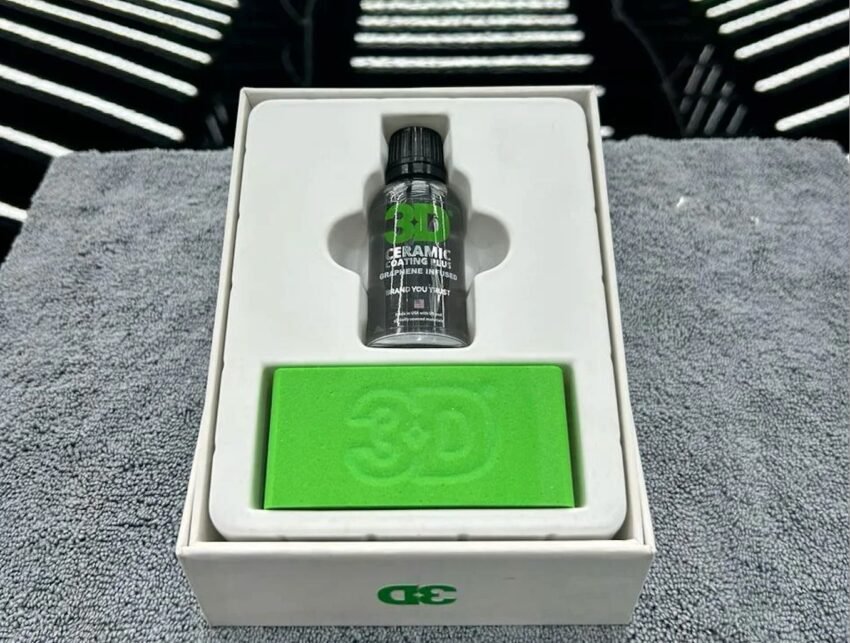
Cars are exposed to environmental pollutants and dirt on the roads every day. These road contaminants may cause damage to the paint of the car by reducing the shine of your car and reducing the protection of the paint against other environmental factors. In such a scenario, Car Graphene Coating can be used as a protective measure against these pollutants.
Understanding Road Contaminants and Their Impact
The road contaminants are chemicals or any other type of substance that are picked up by the car during travel or parking. Some examples include oil, dust, dirt, brake dust, tree sap, acid rain, insect contamination, and road salts. These contaminants can attach themselves to the surface of the car and cause problems for the paint.
If there is no protection given to the paint, it might lose its shine and become susceptible to damage due to exposure to pollutants.
Creating a Protective Barrier
One of the main advantages of Car Graphene Coating lies in the formation of a reliable protective shield that can be created on the paint of the car. This will help to create a bonding effect with the paint layer that will limit the interactions of the car paint layer and different contaminants.
In this way, the contamination of the paint layer with different types of contaminants can be reduced significantly, which will also make the cleaning process much easier. It is important to mention that the use of this coating will allow minimizing the effects of small scratches that occur because of constant exposure to the environment.
Hydrophobic Properties Improve Cleanliness
One of the most beneficial aspects of the Car Graphene Coating is the ability of the coating to behave in a hydrophobic manner. Hydrophobic materials reject water and thus allow water droplets to roll off the surface easily rather than cling to it. As a result, water spots formation and dirt and mud accumulation are prevented.
During the rinsing process after a rainfall or car washing session, dirt particles are carried away by the flowing water droplets. Consequently, there is an improvement in the cleanliness of the vehicle for more extended periods since washing will be required less frequently.
Additionally, the smooth surface makes it difficult for contaminants such as bird droppings and tree sap to stick.
Resistance against Chemical and Environmental Damage
Roads are regularly subjected to exposure to various chemical elements, fuel leaks, and environmental pollution, which may affect the paint on the car. Car Graphene Coating offers higher resistance to various such substances by forming a layer around the vehicle.
Another benefit of the coating is its UV resistance. It will help keep the paint protected from any sun-induced fading. Moreover, heat resistance is a key benefit of the coating, particularly in areas that experience extreme weather conditions and constant exposure to the sun.
Thus, the coating will prevent any negative effects caused by environmental factors and chemical reactions.
Long-Term Paint Preservation
In addition to ensuring a neat-looking car, paint preservation may affect its future market value. A protected paint surface makes a car look cleaner, newer, and better-maintained. Car Graphene Coating plays a crucial role in paint preservation by minimizing the effect of road contaminants on the surface.
The coating will help prolong the effectiveness of the protective layer by making sure that the vehicle stays clean and does not require regular detailing and paint correction sessions.
Conclusion
While it is impossible to avoid road contaminants, modern protective solutions have made it possible to minimize their effect on the paint. The Car Graphene Coating offers a strong hydrophobic layer that protects the vehicle from contaminants, thus contributing to its longevity and aesthetic appeal.